
Introduction
The digital landscape has undergone significant transformation in recent years, necessitating a departure from traditional SEO tools towards more innovative, AI-driven methodologies. While platforms like Semrush have long served as staples for search engine optimization, they impose constraints that may not adequately meet the evolving demands of businesses like AOS. These constraints stem from their one-size-fits-all approach, limited customization options, and reliance on aggregated data, which can result in suboptimal strategies tailored to specific industries.
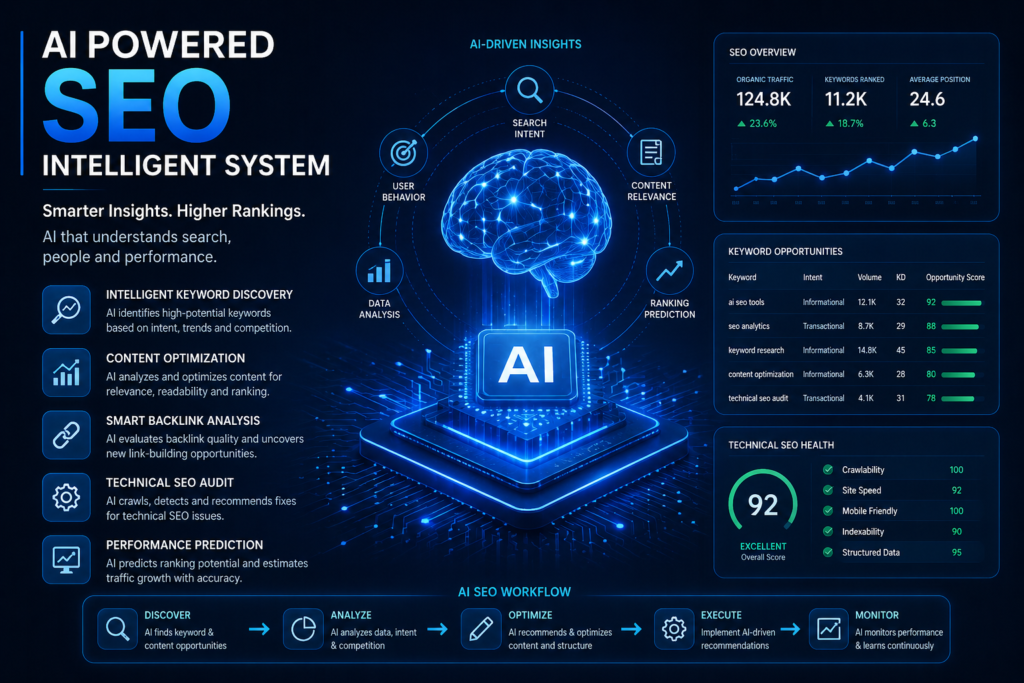
AI-powered SEO intelligence platforms represent a pivotal shift in how organizations approach digital discovery. Unlike conventional tools, these platforms leverage advanced algorithms and machine learning techniques to analyze vast datasets, thereby extracting actionable insights with greater accuracy. By doing so, businesses can bypass the limitations of third-party tools and develop approaches that align more closely with their unique objectives and target audiences. The inherent flexibility and capacity for real-time data processing in AI systems offer a tailored strategy that enhances the effectiveness of SEO initiatives.
Furthermore, the advent of artificial intelligence brings opportunities to automate many repetitive tasks associated with SEO, such as keyword research, competitor analysis, and performance tracking. A proprietary SEO intelligence platform allows AOS to respond swiftly to changes in market dynamics and consumer behavior, fostering an adaptive strategy that can outperform static, traditional methodologies. This bespoke, data-driven approach ensures that SEO campaigns are not only rooted in current trends but also strategically designed to exploit new opportunities that may arise.
In essence, the transition towards an AI-powered SEO intelligence platform positions AOS at the forefront of digital marketing innovation. It allows the organization to harness the full potential of its data, driving more informed decision-making processes and enhancing overall visibility in a competitive online environment.
Strategic Approach
In developing an AI-powered SEO intelligence platform for AOS, a strategic vision is crucial. The primary aim is to establish an internal growth engine that systematically automates content strategy. By doing so, organizations can enhance their discoverability and ensure that their SEO efforts are closely aligned with AOS products. This alignment is essential for optimizing content and driving performant web traffic.
A significant benefit of this strategic approach is the potential reduction in operational costs. By leveraging AI-driven tools, AOS can streamline processes that traditionally required extensive manpower and time. Automation of content strategy not only frees up resources but also allows team members to focus on higher-level tasks that require critical thinking and creativity.
Moreover, this approach brings about competitive advantages through customization. The ability to tailor strategies based on specific market demands and performance analytics empowers AOS to stay ahead of industry trends. Customization facilitates the development of unique SEO solutions that resonate with target audiences, fostering better engagement and conversion rates.
Furthermore, the integration of AI within the SEO framework promotes direct alignment between digital marketing initiatives and product offerings. By analyzing data in real time, the platform can provide insights that inform content creation and optimization efforts. This iterative process ensures that AOS remains adaptable and responsive to changing market conditions, ultimately enhancing their SEO capabilities.
In summary, the strategic approach to developing an AI-powered SEO intelligence platform is foundational to AOS’s continued success. By automating content strategy, reducing operational costs, and aligning tactics with product goals, AOS positions itself as a leader in leveraging advanced technology for effective SEO practices.
Understanding the Limitations of Full Replication
Building an AI-powered SEO intelligence platform entails a deep understanding of the numerous challenges involved in the replication of existing comprehensive SEO tools. One significant hurdle is the creation of expansive keyword databases, which are fundamental to the effectiveness of any SEO platform. Developing such a database requires extensive research, continuous updates, and the ability to analyze massive amounts of data to ensure relevance. Without a robust mechanism for keyword tracking and analysis, a platform may fall short in delivering accurate SEO insights.
Another critical aspect is the necessity for continuous web crawling. Automated web crawling technology is paramount for any SEO intelligence platform to maintain up-to-date indexing of websites and their content. The challenges in this area include managing server loads, handling various site architectures, and ensuring compliance with robots.txt directives. Moreover, efficiently processing the data collected from web crawls to extract useful insights adds another layer of complexity. All these factors require significant resources and technological infrastructure that are not easily replicated.
Additionally, advanced ranking algorithms are integral to the performance of SEO tools. These algorithms not only need to evaluate thousands of ranking factors but also adapt continuously to changes in search engine methodologies. Developing proprietary algorithms that can dynamically adjust to search landscape shifts is a daunting task, often exceeding the capabilities of many platforms. Therefore, while replication may seem like an attractive goal, it can lead to overlooking critical functions necessary for a platform’s success. Prioritizing functionality over mere feature parity allows for a more sustainable and successful SEO intelligence solution that can genuinely meet user needs.
Platform Vision: AOS SEO Intelligence System
The vision for the AOS SEO Intelligence System is centered around a modular architecture that allows for a highly adaptive and efficient approach to search engine optimization (SEO). This system aims to generate high-quality, intent-driven content tailored to meet the needs of users while ensuring compatibility with the evolving demands of AI-driven search engines. By leveraging advanced technologies, AOS seeks to create content that not only resonates with the target audience but also complies with the algorithms developed by search engines influenced by artificial intelligence.
One of the core components of the AOS SEO Intelligence System is the automation of SEO workflows. This includes the integration of tools that streamline processes such as keyword research, on-page optimization, and content scheduling. The goal is to minimize manual intervention, thereby allowing marketers and content creators to focus on strategic initiatives that enhance user engagement. Automating these workflows not only improves efficiency but also ensures a consistent output of high-quality content that serves user intent and enhances visibility across search platforms.
Moreover, the AOS system emphasizes the importance of integrating content with product conversions. By aligning content strategies with business objectives, AOS aims to facilitate a seamless transition from engagement to conversion. The incorporation of data analytics enables continuous monitoring and adjustment of content effectiveness, ensuring that each piece serves its purpose in driving better results. Through this innovative, interconnected approach, the AOS SEO Intelligence System aspires to redefine the landscape of SEO by making it more responsive to user behavior and trends, ultimately leading to enhanced performance and growth for businesses.
Core Feature Architecture
The core architecture of an AI-powered SEO intelligence platform can be divided into three distinct phases, each building upon the previous one to deliver a comprehensive suite of tools designed to enhance search engine optimization efforts.
Phase 1 focuses on establishing foundational capabilities crucial for effective SEO management. This includes keyword generation, which enables users to identify the most relevant search terms tailored to their audience. Advanced SERP analysis tools then allow for a deeper understanding of search engine results pages, helping users to uncover trends and insights regarding competitors and potential traffic opportunities. By leveraging these foundational capabilities, the platform lays the groundwork for informed decision-making and strategic planning.
Transitioning to Phase 2, the platform introduces content automation to simplify and scale the content production process. This includes the development of templates that generate high-quality articles, blogs, and other forms of content tailored to specific keywords and audience segments. Additionally, the incorporation of internal linking strategies becomes essential, as it not only enhances user navigation but also boosts SEO through improved site architecture. By making content creation more efficient and systematic, the platform empowers marketers to foster a consistent and effective online presence.
Finally, Phase 3 discusses the implementation of advanced features in LLM (Large Language Model) SEO. This phase harnesses the power of machine learning to further optimize content based on real-time data analysis and user engagement metrics. Features such as predictive keyword analysis, sentiment evaluation, and personalized content recommendations can be integrated, driven by the capabilities of LLMs to analyze vast datasets. This forward-thinking approach positions the platform at the forefront of SEO technology, enabling users to anticipate trends and adapt strategies proactively.
Phase 1: SEO Intelligence Core
The initial phase of building an AI-Powered SEO Intelligence Platform revolves around establishing the SEO Intelligence Core, which is pivotal in modernizing traditional SEO workflows. This phase includes critical modules that focus on enhancing the efficiency of search engine optimization.
One of the primary components of the SEO Intelligence Core is the keyword generation engine. This engine plays a significant role in identifying relevant keywords that align with user intent and market trends. By utilizing advanced algorithms and natural language processing, it can process vast datasets to suggest keywords that have high search volume and low competition. This function not only aids in generating content ideas but also assists marketers in optimizing existing content to better meet user demand.
Another essential module within this core is the SERP (Search Engine Results Page) analysis engine. This engine provides insights into the competitive landscape of chosen keywords. By analyzing top-ranking pages, it evaluates factors such as on-page elements, backlink profiles, and user engagement metrics. The SERP analysis engine equips marketers with actionable insights, helping them to identify gaps in their own strategies and discover opportunities for improvement. By understanding what competitors are doing successfully, businesses can tailor their SEO approaches to enhance their visibility in search engine results.
Together, the keyword generation engine and the SERP analysis engine create a robust foundation for the SEO Intelligence Core. These modules not only facilitate efficient keyword research but also promote informed decision-making concerning content development and optimization tactics. The successful integration of these functionalities is essential for any SEO strategy aiming to leverage data-driven insights and align with evolving search engine algorithms. As such, the SEO Intelligence Core marks a significant step towards building a comprehensive SEO platform that meets the needs of modern digital marketing initiatives.
Phase 2: Content Automation Engine
The second phase of developing an AI-powered SEO intelligence platform focuses on the implementation of a Content Automation Engine (CAE). This engine is designed to drive scalable content creation while maintaining a consistent commitment to quality and relevance, which is crucial in meeting SEO best practices.
At the heart of the Content Automation Engine lies the article generation module. This module harnesses natural language processing (NLP) algorithms to create coherent, engaging articles that adhere to the specified themes and keywords. By leveraging vast datasets, including existing articles, user queries, and trending topics, the engine identifies what resonates with the target audience. This selection process ensures that the generated articles not only attract high volumes of traffic but also align with the interests and needs of readers.
Moreover, the internal linking engine serves as a vital component, optimizing the SEO-friendliness of the generated content. It systematically connects newly created articles with existing ones, facilitating a seamless flow of information throughout the platform. This linkage not only aids in enhancing user experience but also strengthens overall site authority, which is beneficial for search engine rankings.
The integration of advanced analytics in the Content Automation Engine monitors the performance of generated content continuously. Metrics such as user engagement, bounce rates, and keyword effectiveness provide essential feedback that informs future content strategies. By analyzing this data, the platform can adapt its content generation techniques to better meet SEO objectives, ensuring that the content remains relevant and effective.
In summary, the Content Automation Engine represents a significant leap forward in content production capabilities, enabling the platform to produce high-quality, SEO-optimized content rapidly. Through the collaboration of the article generation module with the internal linking engine, businesses can expect enhanced online visibility and user engagement.
Phase 3: LLM SEO
The third phase of developing an AI-Powered SEO Intelligence Platform involves integrating Large Language Model (LLM) technologies to enhance search engine optimization strategies substantially. As the digital landscape continues to evolve, so too must the methodologies employed by marketers and content creators. LLMs offer advanced capabilities that can significantly refine traditional SEO practices, making content more discoverable and relevant to users.
One of the key advantages of leveraging LLMs for SEO is their ability to understand and generate human-like text. By analyzing vast datasets, LLMs can identify patterns in search queries, user intents, and topical relevance. This enables businesses to create more targeted content that aligns seamlessly with the expectations and needs of their audience. Through this approach, the risk of keyword stuffing is also mitigated, as LLMs prioritize context over mere keyword repetition.
Additionally, LLM technologies support enhanced semantic search techniques, allowing for the delivery of richer, context-aware content. This innovation in LLM SEO translates to improved search rankings and better user engagement. By utilizing LLMs, organizations can optimize meta descriptions, headlines, and body content to ensure they resonate with both search engines and users alike. Furthermore, LLMs can aid in predicting emerging trends, enabling companies to stay ahead of their competitors by proactively adjusting their content strategies.
In conclusion, implementing LLM technologies into SEO strategies not only boosts content discoverability but also fosters a deeper understanding of the audience’s preferences. By focusing on context rather than simple keywords, businesses can create quality content that thrives in an increasingly sophisticated digital ecosystem. The adoption of LLM SEO marks a significant leap in how platforms can implement intelligent systems that drive organic traffic more effectively than ever before.
Implementation Strategy
The implementation of an AI-powered SEO intelligence platform for AOS requires a systematic approach, involving several critical steps to ensure a seamless rollout. Initially, the project will commence with a thorough assessment of the current infrastructure and resources. This step is vital to identify any gaps and the necessary technological advancements required to build a robust platform. Key stakeholders will be engaged to gather input and align on the desired outcomes and features of the platform.
Next, a detailed project timeline will be crafted, outlining specific milestones and deliverables. This timeline should aim for incremental development to facilitate testing and incorporating user feedback at each stage. Project phases may include research and development, technical implementation, and user interface design. Each phase will be designed to ensure that best practices in AI utilization and SEO advancements are integrated throughout the process.
As an essential part of the implementation strategy, resource allocation needs careful consideration. A dedicated team of data scientists, SEO experts, and software developers will be required. Additionally, investment in advanced technologies, such as machine learning and natural language processing, will be necessary to enhance the platform’s capabilities. Collaboration among departments will foster innovation and streamline the development process.
Potential challenges must also be recognized early in the planning stage. For instance, ensuring data privacy and compliance with regulations will be paramount. Addressing these challenges through strategic risk management practices is essential, as they could hinder progress if not properly managed. Ultimately, a clear roadmap, proactive resource management, and robust stakeholder engagement will facilitate the successful implementation of the AI-powered platform at AOS.
Measuring Success and Metrics
To ascertain the effectiveness of an AI-powered SEO intelligence platform, various success criteria and metrics must be established. Key Performance Indicators (KPIs) play a critical role in benchmarking progress and ensuring that the platform aligns with broader content strategies. For AOS, selecting the appropriate KPIs is essential for tracking the platform’s performance over time.
One fundamental metric is organic traffic, which reflects the number of visitors arriving at the website through unpaid search results. An increase in organic traffic indicates that the SEO strategies employed by the platform are succeeding in enhancing visibility on search engines. Moreover, measuring the growth of keyword rankings can reveal how effectively the platform optimizes content to achieve higher positions in search results, an essential element of a solid SEO framework.
Engagement metrics are also pivotal in evaluating success. Metrics such as average session duration, bounce rate, and pages per session provide insights into how users interact with the site after arriving. If the AI-powered platform effectively enhances content quality and relevance, it should result in higher engagement rates, reflecting user satisfaction and retention.
Conversions are a final set of metrics that directly ties into business goals. It is vital to analyze conversion rates, which measure the percentage of users who complete desired actions, such as making a purchase or signing up for a newsletter. By establishing a clear link between SEO performance and conversion rates, AOS can better understand the ROI of their SEO initiatives.
In summary, measuring the success of an AI-powered SEO intelligence platform requires a comprehensive approach that includes organic traffic, engagement, and conversion metrics. Assessing these KPIs will equip AOS with the insights necessary to refine their strategies and foster continual growth.
Emerging Trends in AI and SEO
The landscape of search engine optimization (SEO) is evolving rapidly, primarily driven by advances in artificial intelligence (AI). AOS must closely monitor these emerging trends to enhance its SEO intelligence platform. One significant trend is the growth of voice search. With the increasing adoption of voice-activated devices, optimizing for voice queries has become essential. This shift necessitates a change in keyword strategy, as users tend to ask questions in a more conversational manner, implying a need for more natural language processing capabilities within the SEO tools.
Personalization and User Experience
Another notable change is the emphasis on personalization in search results. AI enables tailoring content to meet individual user preferences, allowing AOS to provide a more customized experience. Leveraging machine learning algorithms, which can analyze vast amounts of user data, AOS can develop features that predict user intent and deliver content that is not only relevant but also engaging. Enhancing user experience through personalization will be crucial for maintaining competitive advantage in the SEO market.
Integration of AI in Content Creation
Furthermore, innovations in AI-driven content generation are on the rise. Tools utilizing natural language generation (NLG) can create high-quality articles, blog posts, and marketing materials at scale. AOS should consider incorporating such technologies to streamline the content creation process and help users remain at the forefront of their content marketing strategies. This innovation can fuel the capability to provide fresh and optimized content consistently, which is vital in meeting the dynamic demands of search engine algorithms.
Blockchain and Transparency
Finally, the integration of blockchain technology within digital marketing also presents a forward-looking trend. This technology can enhance trust and transparency in SEO practices by providing verifiable proof of content ownership and performance tracking. By embracing such innovations, AOS can improve the accountability aspects of its SEO intelligence platform, ensuring users have the tools necessary to navigate the complexities of modern SEO more effectively.
Conclusion
Building a customized, AI-driven SEO intelligence platform for AOS represents a transformative approach to enhancing the company’s online presence. The integration of artificial intelligence into the SEO strategy allows for the analysis of vast quantities of data, enabling AOS to make informed decisions regarding its content strategy. This technology not only improves rankings in search engine results but also enhances user engagement by delivering relevant content tailored to audience preferences.
One of the primary strategic advantages of an AI-powered platform lies in its ability to automate various aspects of SEO. By leveraging machine learning algorithms, AOS can optimize its SEO processes, including keyword research, site audits, and content performance analysis. This not only reduces the time and resources spent on manual SEO tasks but also improves accuracy in targeting. Ultimately, delivering a better return on investment as the platform can continuously adapt to changing algorithms and market trends.
However, there are potential challenges that AOS may encounter on its journey toward establishing this innovative platform. Data privacy regulations and the ethical use of AI must be at the forefront of its development. Additionally, the initial investment in technology and the need for skilled professionals to manage and interpret the AI findings are critical factors that cannot be overlooked. AOS will need to strategically allocate resources and ensure ongoing training to maximize the platform’s effectiveness.
In summary, embarking on the development of an AI-powered SEO intelligence platform is a significant step for AOS. This initiative promises not only to streamline SEO efforts but also to elevate the company’s digital footprint through enhanced visibility and user engagement. With careful planning and execution, AOS will be well-positioned to achieve its SEO and content goals, ultimately leading to sustained growth and success in an increasingly competitive digital landscape.